Design and Technology
Design and Technology Curriculum Overview
Intent
At Moreland Primary School, our Design and Technology (D&T) curriculum aims to:
-
Inspire innovation, creativity, and problem-solving by giving pupils opportunities to design, make, and evaluate products for real-world purposes.
-
Equip pupils with the practical skills and technical knowledge needed to work confidently with a range of materials, tools, and processes.
-
Develop pupils’ understanding of key concepts including structures, mechanisms, textiles, food technology, digital programming, and electronics.
-
Introduce pupils to influential designers, engineers, and inventors from diverse backgrounds and cultures, past and present.
-
Build cultural capital through real-life experiences such as working with professionals, visits to museums or design centres, and opportunities to exhibit and share their creations.
Implementation
Design and Technology is taught in focused units across the school year, following a sequence of research, design, make, and evaluate:
-
Progressive Skills Development:
-
Pupils are taught to work with a variety of tools and materials with increasing accuracy and safety.
-
Each project focuses on specific knowledge areas such as levers and pulleys, structures, food preparation, or computer-aided design.
-
-
Design Process:
-
Pupils investigate existing products, carry out market research, and follow a structured design process to plan and test prototypes.
-
They are taught to critically evaluate their work and the work of others to improve outcomes.
-
-
Cross-Curricular Links:
-
D&T connects with subjects such as science (e.g. circuits, materials), maths (measuring, geometry), computing (digital programming) and art (aesthetic design).
-
-
Studying Designers and Engineers:
-
Pupils learn about key figures and innovations in design, engineering, and architecture, building an understanding of how design impacts daily life and global development.
-
-
Cultural Capital Enrichment:
-
Pupils visit Museums, workplaces and design centres to gain inspiration from design in the real world.
-
Professional designers and makers are invited to lead workshops and assemblies, exposing them to potential careers.
-
Opportunities to present or exhibit projects give children pride and purpose in their creative work.
-
Impact
The impact of our Design and Technology curriculum is evident in:
-
Well-Developed Technical and Practical Skills: Pupils confidently use a range of tools and materials with precision, following safety protocols and applying learned techniques effectively.
-
Strong Conceptual Knowledge: Children develop a secure understanding of design principles including function, innovation, aesthetics, user needs, and sustainability.
-
Problem-Solving and Critical Thinking: Pupils apply their knowledge creatively to solve design problems, adapt ideas, and justify design decisions.
-
Culturally Enriched Learners: Exposure to professional practices and cultural institutions enhances pupils’ understanding of the design world and fosters ambition and curiosity.
-
Pride in Purposeful Work: Pupils take ownership of the design process and feel a sense of achievement in producing high-quality, functional outcomes with real-life relevance.
Design and Technology at Moreland
Design and Technology prepares children to deal with tomorrow's rapidly changing world. It encourages children to become independent, creative problem-solvers and thinkers as individuals and part of a team. It enables them to identify needs and opportunities and to respond to them by developing a range of ideas and by making products and systems. Through the study of Design and Technology, they combine practical skills with an understanding of aesthetic, social and environmental issues, as well as functions and industry. This allows them to reflect on and evaluate past and present technology, its uses and impacts.
Children design products with a purpose in mind and an intended user of the products. Food technology is implemented across the school with children developing an understanding of where food comes from, the importance of a varied and healthy diet and how to prepare this. We have been lucky enough to work with The Royal Academy of Culinary Arts and The Country Trust to provide additional projects for children in Key Stage 2.
Design and technology is a crucial part of school life and learning and it is for this reason that, as a school, we are dedicated to the teaching and delivery of a high-quality Design and Technology curriculum. For Design and Technology, we largely use the KAPOW curriculum. However, we also have a number of bespoke DT units that we have planned to link with topics the children are studying in other subjects.
Knowledge and Skills Progression Map
See below for Progression Map.
Gallery of Children’s Work in DT
Year 5 made moving toys linked to their Vikings topic
Working with our Chef Jana as part of the Royal Academy of Culinary Arts "Adopt a School" project


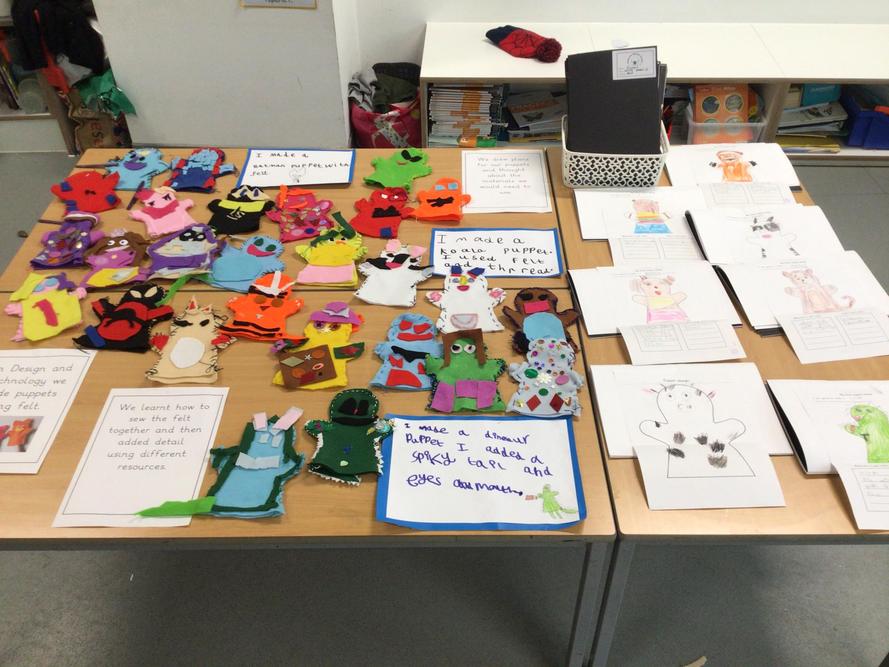
Year 1 made puppets as their textiles project
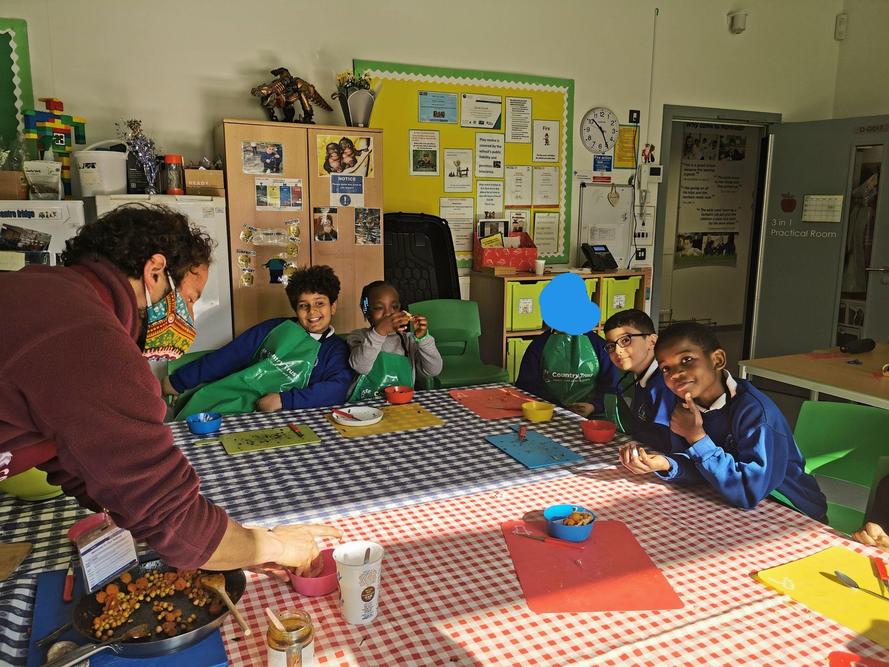
Year 3 working with the Country Trust Food Discovery Project cooking with food they have grown
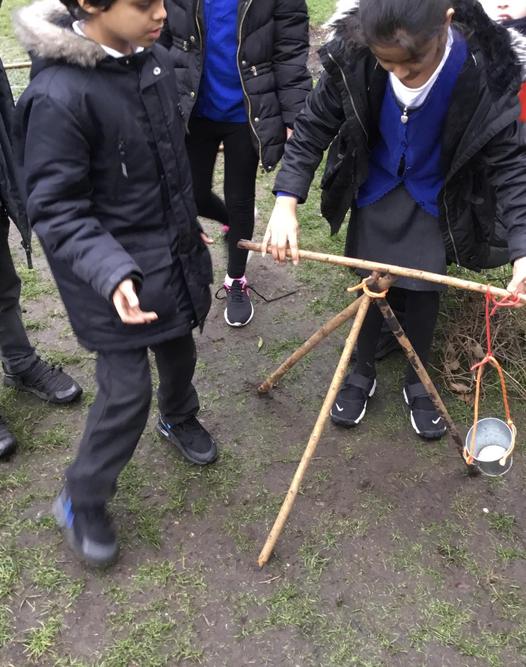
Year 4 made Shaduf’s as part of their Egyptians topic
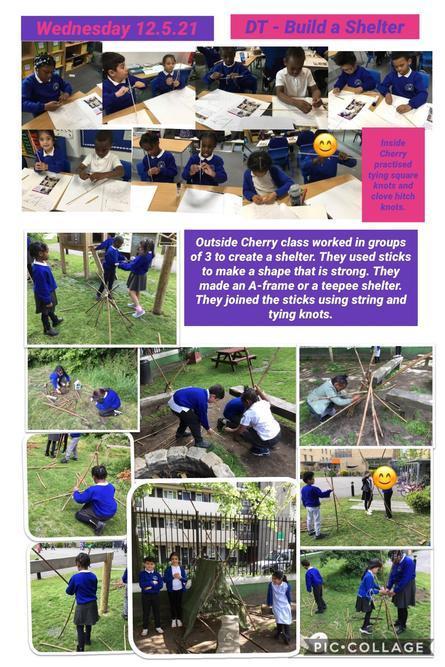
Year 2 designed and made shelters as part of their Land Ahoy topic
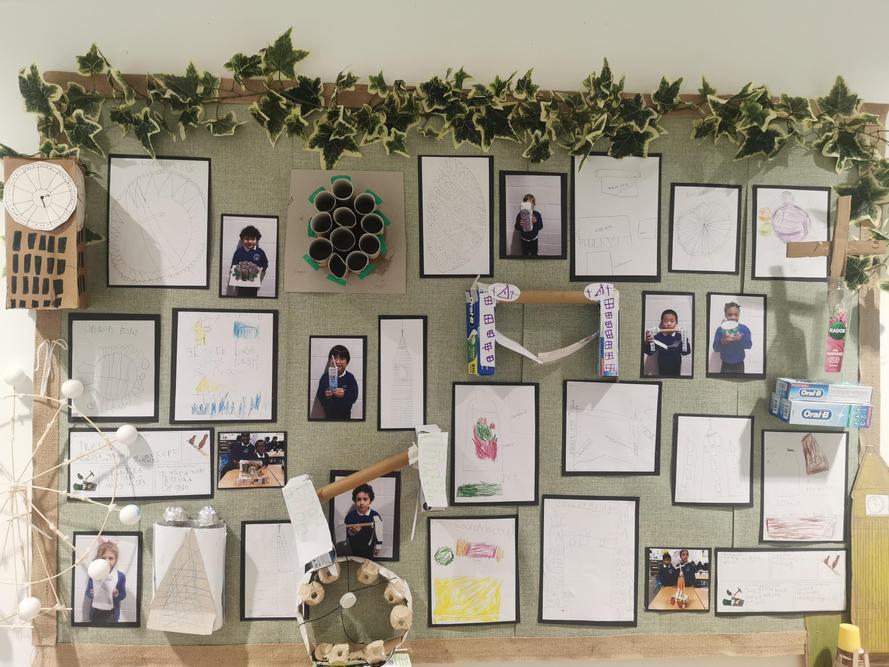
Year 1 display of their London Landmarks project